26.06. – 26.07.2026
Curated by Maidje Meergans & Lennart Hölscher
In times of social shift and new global power dynamics, the relationship between the individual and the state be-
comes increasingly complex. Through photographic and video-based works, the exhibition „State of Belonging“ rai-
ses questions of belonging, identification, and exclusion.
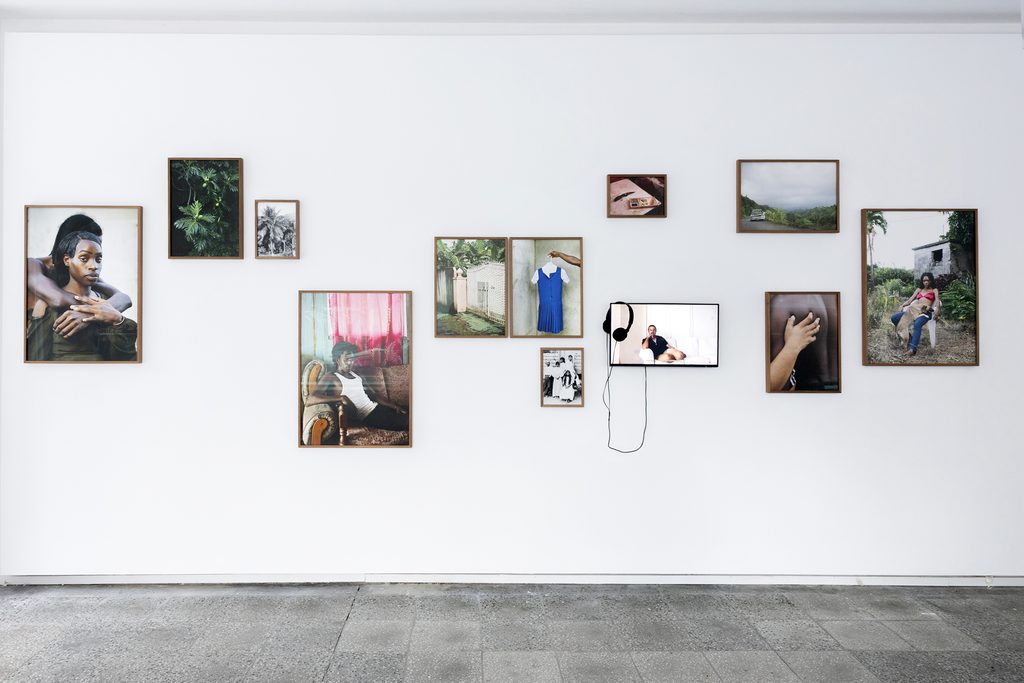
Sarah Jade Sullivan explores the enduring structures of colonial legacy on St. Vincent and the Grenadines in her
work “Hairouna”. She examines the experiences and perspectives of young adults seeking their own identity bet-
ween indigenous belonging and colonial heritage.
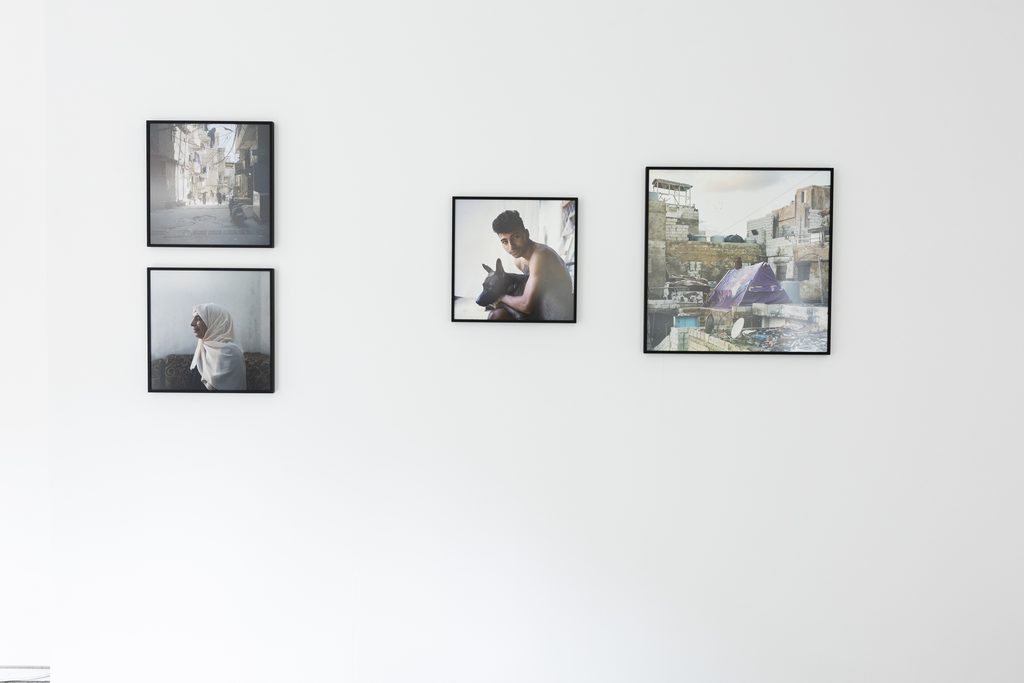
In “Stateless”, Chiara Wettmann addresses the fragile existence of stateless people in Lebanon and Syria. Sta-
telessness results in exclusion from social participation and denial of basic rights, often across generations.
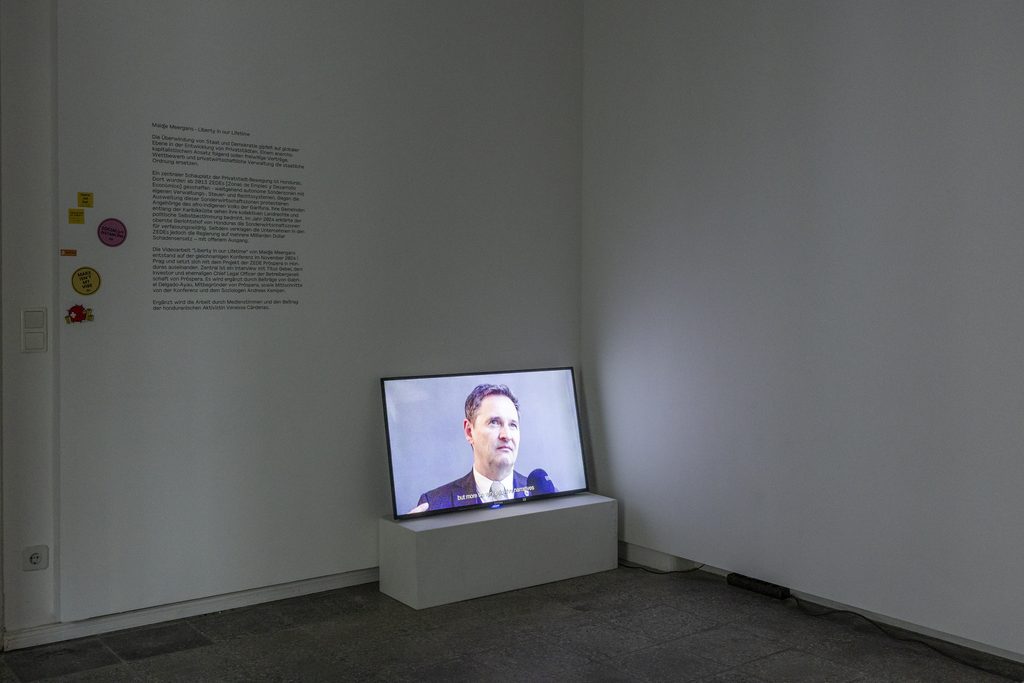
In the documentary-fragmentary video work „Liberty in Our Lifetime“, based on the Free Cities Foundation’s na-
mesake conference, Maidje Meergans analyzes the anarcho-capitalist concept of the private city and its promises
for the future.
Bringing together these three artistic positions highlights how historical continuities and current disruptions challenge and redefine the understanding of statehood and belonging.
At first glance, St. Vincent and the Grenadines appears to be an independent island nation—yet the legacy of colonialism remains ever-present. British colonial rule brought oppression and the enslavement of African people, which continues to shape the economy, the education system, and society to this day. Since gaining independence in 1979, the country has strived for political and cultural self-determination, yet it remains under the influence of the United Kingdom. As a result, opportunities are limited for many young people in a society whose present is closely intertwined with its colonial past.
In “Hairouna,” Sarah Jade Sullivan explores the experiences and struggles for emancipation of 18- to 30-year-olds in St. Vincent and the Grenadines. This is a generation growing up caught between indigenous heritage and colonial structures. The photographer draws personal motivation from her family roots and a deep search for identity. The focus of the work lies not only on challenges and structural obstacles, but also on the resilience and perspectives of the young people portrayed.
Hundreds of thousands of people in Lebanon and Syria live without citizenship. Many were born stateless; others have lost their legal citizenship due to war or displacement. Mothers are particularly affected, as discriminatory laws prevent them from passing on their citizenship in the absence of the child’s father. As a result, the next generation is excluded from citizenship.
Statelessness means far more than simply not having a passport. This status determines whether a child can attend school, whether someone can work, travel, or receive medical care. For many of those affected, this status shapes every aspect of their lives, often from birth. They are largely denied participation in society and basic rights.
For her long-term project “Stateless,” Chiara Wettmann has been accompanying stateless people and their families for several years, including in Lebanon and Syria. She documents the effects of a legal status that usually remains invisible. Her work explores identity, belonging, and the struggle for legal recognition.
Duration: 10’16”
At the global level, the move to transcend the state and democracy culminates in the development of private cities. Following an anarcho-capitalist approach, voluntary contracts, competition, and private-sector
administration are intended to replace the state order.
A key arena for the private city movement is Honduras. There, beginning in 2013, ZEDEs (Zonas de Empleo y Desarrollo Económico) were created largely autonomous special zones with their own administrative, tax, and
legal systems. Members of the Afro-indigenous Garifuna people have been protesting the expansion of these zones for years. The communities along the Caribbean coast see their collective land rights and political
self-determination threatened. In 2024, the Supreme Court of Honduras declared the special economic zones unconstitutional. Since then, however, the companies in the ZEDEs have been suing the government for several
billion dollars in damages—with the outcome still uncertain.
The video work “Liberty in Our Lifetime” by Maidje Meergans was created at the conference of the same name in November 2024 in Prague and examines the ZEDE Prospera project in Honduras. Central to the work is an
interview with Titus Gebel, an investor and former chief legal officer of Prospera’s operating company. It is supplemented by contributions from Gabriel Delgado-Ayau, co-founder of Prospera, recordings from the conference,
and commentary by sociologist Andreas Kemper. The film includes by media commentary and a contribution from Honduran activist Venessa Cardenas.